
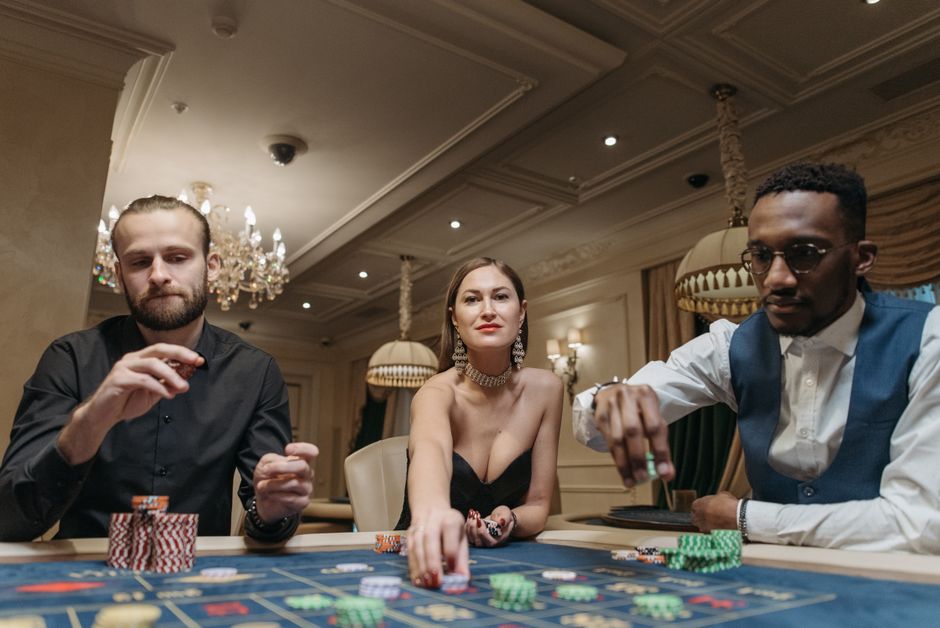
Ask ten casino players why they keep coming back and you'll get ten different answers. The thrill of a jackpot, the mental chess match of poker, the social buzz of a sportsbook on a Sunday afternoon. But strip away the lights and the noise, and every single one of those experiences is built on the same quiet foundation: math that doesn't care how you feel. Understanding that math won't kill the fun. If anything, it makes the games sharper, the decisions smarter, and the losses a lot less painful.
Every casino game carries a built-in mathematical advantage for the operator. This is the house edge, and it's the reason casinos can afford marble floors and free drinks. It's also the single most useful number you can learn before you sit down.
Here's how it looks across the games most people actually play:
Notice the pattern. The games where your decisions matter — blackjack, video poker, poker — offer the tightest edges. The games where you just press a button and hope — slots, keno, big wheel — are the most expensive per dollar wagered. That's not a coincidence. The house pays for the illusion of control. Anyone weighing up options should see สล็อต.
Every slot player eventually hears about RTP, or return to player. A 96% RTP slot returns $96 for every $100 wagered over millions of spins. Helpful, but incomplete. The number that actually shapes your session is volatility, sometimes called variance.
Two slots can both have 96% RTP and feel completely different:
A practical tip: if you're playing with $50, a high-volatility slot can eat it in twenty minutes without a single meaningful hit. The same $50 on a low-volatility game might last two hours. Neither is better — but matching volatility to your bankroll and patience is the difference between a fun evening and a frustrating one.
Here's the truth that separates poker from everything else on a casino floor: you're not playing against the house. You're playing against other people, and the house just takes a rake. That means a skilled player can be profitable long-term — something no slot machine will ever offer.
But skill in poker isn't about memorizing hand rankings. It's about three things:
The rake is the silent opponent. In low-stakes live games it can strip 5% to 10% of every pot, which means everyone at the table starts slightly behind. Beat the rake and the other players, and you've done something genuinely difficult.
Sports betting has exploded in popularity, but most recreational bettors lose for one boring reason: they bet on teams they like. The sharp money does the opposite. It looks for value — situations where the implied probability of an outcome is lower than the actual probability.
Quick example. If a bookmaker prices a team at +150, that implies a 40% chance of winning. If your own research suggests the true chance is 48%, that's a value bet, even if you lose this particular time. Over hundreds of bets, betting value consistently is the only path to profit.
Two practical habits that separate serious bettors from casual ones:
The most underrated skill in iGaming isn't card counting or reading a slot's paytable. It's knowing when to stop. Set a loss limit before you open a game, not after you've lost three deposits. Treat deposits as entertainment spend, like a concert ticket — money you'd be fine never seeing again. Use the deposit limits, session timers, and self-exclusion tools that regulated operators are required to provide. They exist for a reason.
This isn't moralizing. It's math. The house edge guarantees that the more you play, the more you pay. Time at the table is the real cost, and the only way to win at gambling long-term is to keep it entertainment rather than a strategy for paying rent.
The casino doesn't hide its math. It publishes RTPs, odds, and paytables. Most players just never look. Do look. Choose games with tighter edges. Match slot volatility to your bankroll. Treat poker as a skill game and sports betting as a probability exercise. And keep the numbers small enough that a bad night never becomes a bad month. The gamblers who stick around for decades aren't the lucky ones — they're the ones who understood the machine and played anyway, on their own terms.

Hi, my name is Anthony kuber. I am artist and fashion designer.
I love to travel and writing blogging.
Your email address will not be published. Required fields are marked *
Software Developer & Writer
Hey, I'm Diva, a developer and writer blending code and creativity. I'm driven by a deep curiosity and a relentless pursuit of excellence. Join me as I craft digital solutions and captivating stories.


