
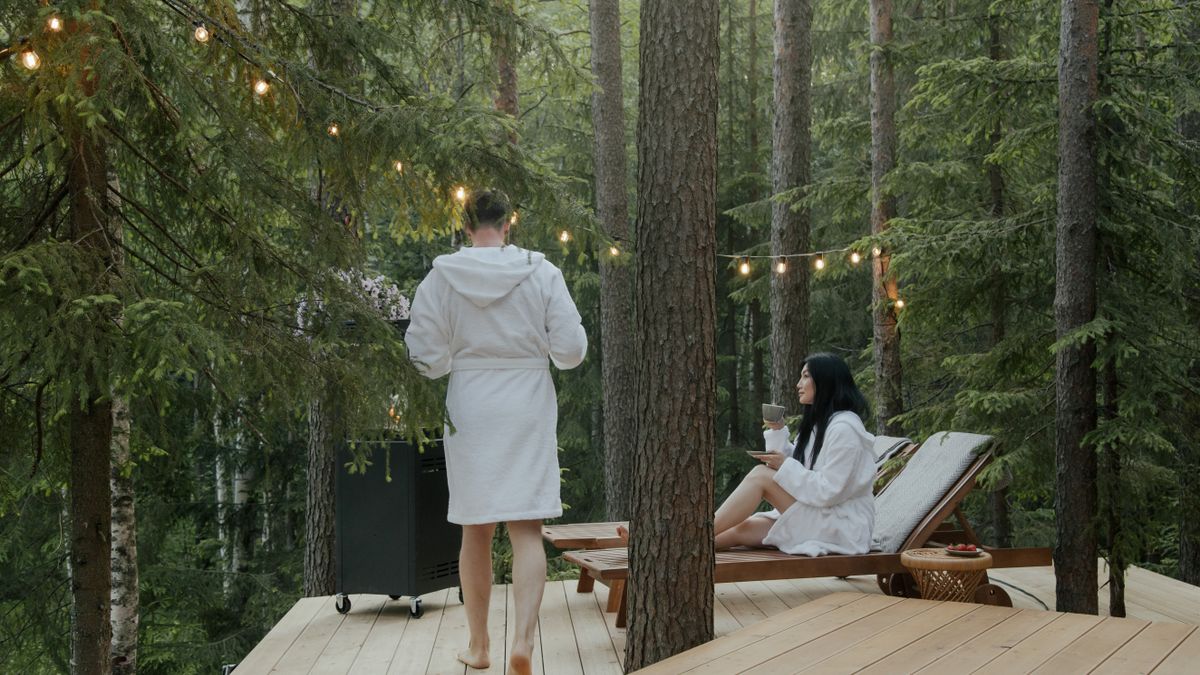
There is a particular kind of magic in walking twenty metres down the garden and arriving at work. A garden room gives you a door you can close, and a space where an unfinished canvas, a half-built song or a chapter in progress can stay exactly as you left it. That separation matters more than most people expect: the brain quickly learns that this small building means focus, and the kitchen table stops being a permanent, guilt-inducing studio. Unlike a spare bedroom, a garden room rarely has to double as anything else, so you can plan it entirely around your craft.
Light is the one thing you cannot fix later with a rug. Orientation comes first: a north-facing garden room gives the soft, consistent light that painters and illustrators prize most. South-facing rooms are glorious in winter but can be blinding and hot by mid-afternoon, so budget for external blinds or a deep roof overhang rather than relying on flimsy curtains.
For writing and music, think about glare rather than brightness. Sit perpendicular to the window, never facing it head-on, and use a dimmable task lamp with a 4000K bulb for precision work and something warmer after dark. Layer the lighting: a ceiling wash for general use, adjustable spots for specific tasks, and one low lamp for the evening. Put them on separate switches so you can change the mood without crawling under the desk.
A creative studio fails fast when the surfaces fill up. Plan storage before you buy furniture, and think in categories rather than cupboards.
Keep at least 60cm of genuinely clear surface somewhere in the room. It is the difference between a studio you use daily and one you quietly start avoiding.
Sound travels both ways, and a garden room with bare, parallel walls will sound boxy and echoey whatever you do inside it. The building is the first job: acoustic mineral wool in the studwork, resilient bars or a separate inner skin, a solid core door with proper seals, and double glazing. Avoid recessed downlighters, which punch holes straight through your insulation and leak sound.
Inside the room, soften the reflections. A thick rug and underlay, heavy curtains, a sofa or a generous soft chair, and shelves of books all help. For recording, place absorption panels at the first reflection points either side of the microphone and behind the performer, and treat the corners with bass traps if you are mixing. If you play drums or amplified guitar, decouple the kit from the floor with an isolation platform so the floor does not act like a drum skin, and agree sensible hours with neighbours before you need to.
A garden room works year-round only if the services are planned properly. Have a qualified electrician run a dedicated supply from the house with its own consumer unit, and fit more sockets than you think you need, positioned around 450mm above floor level so they clear desks and storage. Add USB outlets, hard-wired network cable if you will be uploading large files, and a duct through the wall for future cabling.
For heat, a slim panel heater or infrared panel is quiet, dust-free and quick to respond. Fan heaters are noisy and stir dust onto wet paint, so avoid them for anything delicate. Insulate the floor and ceiling as thoroughly as the walls — cold feet end more sessions than lack of inspiration ever will.
Ventilation matters too, especially with oil paints, spray adhesives or a wooden instrument you care about. Trickle vents plus a small extract fan will keep humidity steady at roughly 45–55%, which is about where paper, canvas and timber are happiest. A cheap hygrometer and a small dehumidifier are worth far more than they cost.
Most garden rooms fall under permitted development, but the limits are specific: typically no more than 2.5m to the eaves, 4m overall height, and never forward of the front elevation. If clients will visit, if you will run a business from it, or if it sits close to a boundary, check with your local planning authority and expect building regulations to apply. A phone call now is far better than a surprise at sale.
Security, sadly, matters. Fit a good lock, a simple alarm and blinds that hide your equipment from the garden, and keep a photographed record of anything valuable.
Finally, spoil yourself a little. A chair you would happily sit in for four hours, a decent kettle, a pinboard for ideas and a clock you can ignore — these small comforts are what turn a smart outbuilding into somewhere you genuinely want to spend your mornings.

Hi, my name is Anthony kuber. I am artist and fashion designer.
I love to travel and writing blogging.
Your email address will not be published. Required fields are marked *
Software Developer & Writer
Hey, I'm Diva, a developer and writer blending code and creativity. I'm driven by a deep curiosity and a relentless pursuit of excellence. Join me as I craft digital solutions and captivating stories.


