
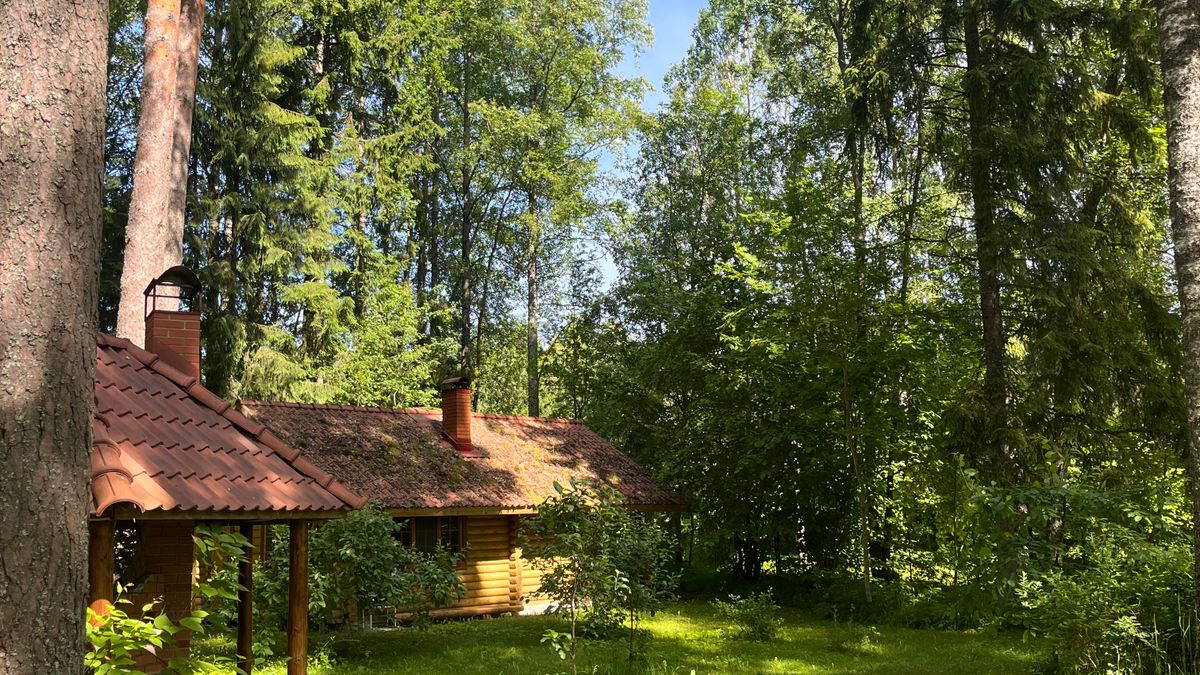
A garden hut is one of the most underrated spaces on a British property. It is already weatherproof, already wired (or easy to wire), and it sits at the end of the lawn rather than a four-hour drive away. With a bit of planning, the same structure that currently holds a lawnmower and three half-empty paint tins can become a proper little escape — the sort of place where you can sleep under a duvet, listen to rain on the roof and wake up to birdsong instead of traffic.
The trick is to treat it like a small hotel room rather than a shed. That means thinking about warmth, comfort, light and where everything actually lives. Get those four things right and a hut of around 2.4m by 3m will feel far more generous than its footprint suggests.
Glamping only works if you are genuinely warm. An uninsulated timber hut will be cold and clammy from October through to April, no matter how many blankets you pile on. Before you spend a penny on cushions, sort the shell.
A mattress on the floor is camping. A raised bed with a decent mattress is glamping, and the difference is entirely about height and layering.
Measure the space carefully before buying anything. A standard double is 135cm wide by 190cm long, which will dominate a small hut, so consider a small double (120cm) or even two singles that can be pushed together. A simple timber platform built to fit the hut exactly uses the space far better than a freestanding frame, and it gives you storage underneath.
Then layer generously. Start with a breathable cotton or linen fitted sheet, add a mattress protector (essential in a garden building where humidity fluctuates), and finish with a duvet plus a wool or synthetic throw. In a hut, bedding gets cold and slightly damp overnight, so air it every morning: strip the duvet back, open a window for twenty minutes and let the space breathe. Store spare bedding in a vacuum bag or a sealed ottoman to keep it dry and smelling fresh.
Nothing kills the atmosphere of a hut faster than a single ceiling pendant. Think in three layers instead.
Keep it practical too. A rechargeable lantern that unclips from its base is invaluable if you need to walk back to the house in the dark, and a small torch in a fixed spot by the door saves fumbling. If you are running power out to the hut, have the circuit checked by a qualified electrician and use an RCD-protected supply — garden buildings and damp don't mix with improvised wiring.
Clutter is what makes a small hut feel cramped, and glamping is supposed to feel restful. Give everything a designated home.
Softness does the heavy lifting in a small space. A rug on the floor, a cushion or two, a lightweight throw and a curtain across the window will transform bare timber into something inviting. Choose colours that reflect the garden — soft greens, oatmeal, faded blues — and keep patterns minimal so the hut doesn't feel busy.
Add a small hospitality tray: two mugs, a kettle if you have power, a jar of tea bags, a cafetière and a couple of biscuits. A tiny vase with a sprig from the garden costs nothing and makes the space feel cared for. A hot water bottle tucked at the foot of the bed takes the chill off a cold evening better than almost anything else.
Finally, consider the approach. The walk from house to hut is part of the experience, so a couple of solar path lights or a well-placed lantern by the door makes the whole thing feel deliberate rather than improvised. Do the insulation properly, spend on the mattress, layer your lighting and give every item a place to live, and your garden hut will earn its keep all year round.

Hi, my name is Anthony kuber. I am artist and fashion designer.
I love to travel and writing blogging.
Your email address will not be published. Required fields are marked *
Software Developer & Writer
Hey, I'm Diva, a developer and writer blending code and creativity. I'm driven by a deep curiosity and a relentless pursuit of excellence. Join me as I craft digital solutions and captivating stories.


